
Reverse Shoulder Replacement
(510) 818-7200
Menlo Park, CA
Fremont, CA
Monday - Friday | 8:00 AM - 5:00 PM
Specialties
Discover Recent Posts

The shoulder joint offers an unparalleled range of motion, facilitating countless daily activities from the simplest gestures to complex athletic feats. However, this intricate design also renders it vulnerable to injuries and degenerative conditions that can compromise function and inflict persistent pain.
For many individuals grappling with shoulder issues, surgical intervention becomes a potential pathway to restoring quality of life. While traditional total shoulder replacement has long been a treatment option for various forms of arthritis and damage, a specialized and increasingly prevalent procedure known as reverse shoulder replacement has emerged as a treatment for a distinct set of complex shoulder conditions.
What is Reverse Shoulder Replacement?
Reverse shoulder replacement, also known as reverse total shoulder arthroplasty, is a specialized surgical procedure designed to address severe shoulder conditions that cannot be effectively treated with conventional total shoulder replacement. Dr. Costouros was one of the first surgeons in the United States to offer this to his patients in 2004 following special training he received in Europe where this technology was first available. Unlike traditional shoulder replacement, which mimics the natural anatomy of the shoulder by placing a ball on the upper arm bone (humerus) and a socket on the shoulder blade (scapula), reverse shoulder replacement changes this configuration. In a reverse shoulder replacement, a metal ball is fixed to the glenoid (the socket part of the shoulder blade), and a plastic socket is attached to the top of the humerus.

This innovative design alters the biomechanics of the shoulder joint. In a healthy shoulder, the rotator cuff muscles are primarily responsible for lifting and rotating the arm. However, in conditions where the rotator cuff is severely damaged or non-functional, the traditional ball-and-socket mechanism may fail to provide relief. By reversing the ball and socket, this procedure shifts the center of rotation of the shoulder joint. This allows the deltoid muscle to become the primary muscle responsible for lifting the arm, compensating for the injured rotator cuff.
When is Reverse Shoulder Replacement Recommended?
The decision to recommend reverse shoulder replacement is carefully considered based on a thorough evaluation of the patient’s specific condition, medical history, and lifestyle. It is primarily indicated for complex shoulder problems where the rotator cuff is severely damaged or non-functional.
Indications for reverse shoulder replacement may include rotator cuff arthropathy (when a rotator cuff tear leads to degenerative arthritis), irreparable rotator cuff tears, and complex shoulder fractures. These conditions may cause persistent pain and impaired function, symptoms that can interfere with many daily activities.
The Surgical Procedure
Reverse shoulder replacement surgery is a complex orthopedic procedure that requires meticulous planning and execution by a highly skilled shoulder surgeon. The surgery typically takes a few hours and is performed under general anesthesia, often supplemented with a regional nerve block to provide extended pain relief post-operatively. While the specific steps may vary slightly, the general sequence of events is as follows:
- Pre-operative Planning: Before the day of surgery, extensive planning is undertaken. This involves detailed imaging studies to assess bone quality, the extent of rotator cuff damage, and the overall anatomy of the shoulder joint. Imaging and specialized software allows the surgeon to virtually plan the surgery via a personalized approach.
- Incision and Exposure: The surgeon makes an incision, typically on the front or top of the shoulder, to gain access to the shoulder joint. The muscles and soft tissues are carefully retracted to expose the underlying bone structures.
- Site Preparation: The damaged shoulder components are removed and prepared to receive the new artificial components. In some cases of reverse total shoulder replacement, robotic assistance may be utilized.
- Implant Placement: The prosthetic components are inserted and secured.
- Trial Reduction and Stability Assessment: Before final closure, the surgeon assesses the stability, range of motion, and tension of the soft tissues. Adjustments may be made to the implant to ensure optimal biomechanics. The goal is to achieve a stable joint that allows for improved arm elevation and rotation.
- Closure: Once the surgeon is satisfied with the implant placement and joint stability, the muscles and soft tissues are carefully repositioned. The incision is then closed in layers, and a sterile dressing is applied. A drain may be placed temporarily to collect any excess fluid.
Reverse Shoulder Replacement Recovery Process
The recovery process following reverse shoulder replacement is a key phase that may influence the long-term success and functional outcomes of the surgery. It is a journey that demands patience, commitment, and adherence to the post-operative instructions provided by the surgeon and physical therapist. While individual recovery timelines can vary based on factors such as age, overall health, and the complexity of the surgery, a typical rehabilitation protocol spans several months.
Immediate Post-operative Period
Immediately after surgery, patients will generally experience some pain and discomfort, which may be managed with a combination of pain medications. The arm will typically be placed in a sling to protect the healing tissues, limit unwanted movement, and maintain the shoulder in a safe position. The primary focus during this initial phase is on pain management, wound care, and preventing complications.
Gentle, passive range-of-motion exercises are usually initiated within the first few days or weeks. During passive exercises, the physical therapist moves the patient’s arm without the patient actively engaging their shoulder muscles. This helps to prevent stiffness and maintain joint mobility without stressing the surgical repair. Patients are educated on proper sling use, positioning, and activities to avoid.
Early Rehabilitation
As pain subsides and initial healing progresses, the rehabilitation program gradually advances. Physical therapy sessions will often focus on increasing passive range of motion and carefully introducing active-assisted range of motion exercises. This means the patient begins to use their own muscles to move the arm, but with assistance from the therapist or their other hand. The goal is to restore basic shoulder mobility and gradually improve the strength of the deltoid muscle, which is now the primary mover of the arm.
Strengthening exercises for the deltoid and other surrounding muscles are introduced cautiously, often using light resistance bands or bodyweight exercises. The emphasis remains on controlled movements and avoiding any activities that could jeopardize the integrity of the implant or soft tissue healing.
Advanced Rehabilitation
By this phase, most patients will have improved pain control and increased range of motion. The focus of rehabilitation shifts towards regaining full active range of motion, improving strength, and enhancing functional independence. Strengthening exercises may become more progressive, targeting the deltoid and scapular stabilizing muscles with increasing resistance. Proprioceptive exercises, which improve joint awareness and control, may also be incorporated.
Long-Term Recovery and Return to Activity (Months 6-12+)
While timelines vary between patients, the majority of recovery from reverse shoulder replacement occurs over four months. Additional improvement in strength, range of motion, and endurance and can take place for up to two years in some cases. Even after formal physical therapy concludes, patients are typically advised to continue with a home exercise program to maintain strength, flexibility, and prevent stiffness. Regular follow-up appointments with your surgeon are important to monitor the long-term health of the shoulder replacement and address any concerns.
Patients are generally encouraged to return to most activities of daily living and many recreational activities, but with modifications. High-impact sports, heavy weight lifting, and activities that place excessive stress on the shoulder joint may be discouraged to ensure the longevity of the implant. The goal is to achieve maximal recovery, allowing patients to return to a fulfilling and active lifestyle with significantly reduced pain and improved function.
Summary
Reverse shoulder replacement represents a significant advancement in orthopedic surgery, offering a possible solution for patients suffering from complex and debilitating shoulder conditions that were once considered untreatable. By altering the biomechanics of the shoulder joint, this innovative procedure leverages the deltoid muscle to restore function and provide pain relief, particularly for those with irreparable rotator cuff tears and cuff tear arthropathy.
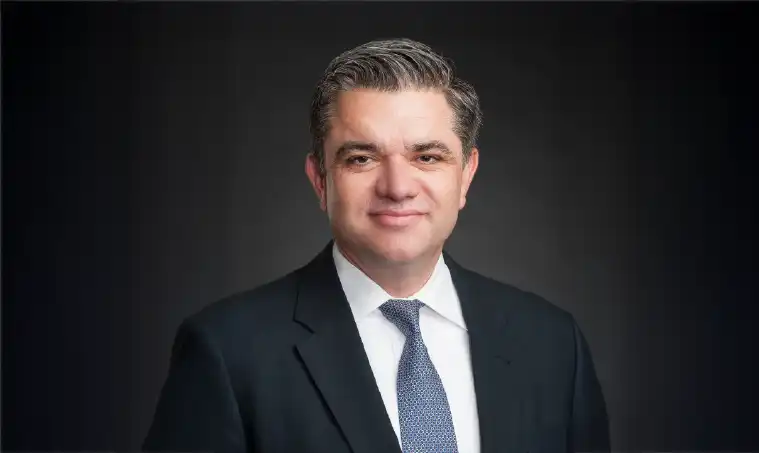
Dr. Costouros, with his expertise in comprehensive shoulder care, pioneering robotic shoulder surgery, leading many FDA clinical trials, and utilizing many cutting-edge technologies, provides patients with advanced and personalized treatment options. If you are experiencing persistent shoulder pain and functional limitations, schedule a consultation with Dr. Costouros to discuss whether reverse shoulder replacement may be the right option for you.
John Costouros, MD | Orthopedic Surgeon in Menlo Park, CA
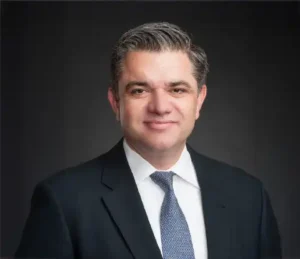
John Costouros, MD, is a globally recognized shoulder expert dedicated to the comprehensive treatment of all shoulder disorders. His practice focuses on advanced techniques, including pioneering robotic shoulder surgery and utilizing cutting-edge technology like the Mako Robotic Shoulder System and InSet™ Reverse Shoulder System.
John Costouros, MD | Orthopedic Surgeon in Menlo Park, CA
John Costouros, MD, is a globally recognized shoulder expert dedicated to the comprehensive treatment of all shoulder disorders. His practice focuses on advanced techniques, including pioneering robotic shoulder surgery and utilizing cutting-edge technology like the Mako Robotic Shoulder System and InSet™ Reverse Shoulder System.