
Total Shoulder Replacement
(510) 818-7200
Menlo Park, CA
Fremont, CA
Monday - Friday | 8:00 AM - 5:00 PM
Specialties
Discover Recent Posts

The shoulder joint allows for an incredible range of motion, enabling us to perform countless daily activities, from reaching for a book to throwing a ball. However, this complexity also makes it susceptible to injury and degenerative conditions. Total shoulder replacement is a treatment option for a variety of conditions that cause persistent shoulder pain and loss of function.
What is Total Shoulder Replacement?
Total shoulder replacement is a surgical procedure in which damaged parts of the shoulder joint are removed and replaced with artificial components, known as prostheses. The shoulder is a ball-and-socket joint, where the ball (the head of the humerus, or upper arm bone) fits into the socket (the glenoid, a part of the shoulder blade or scapula).
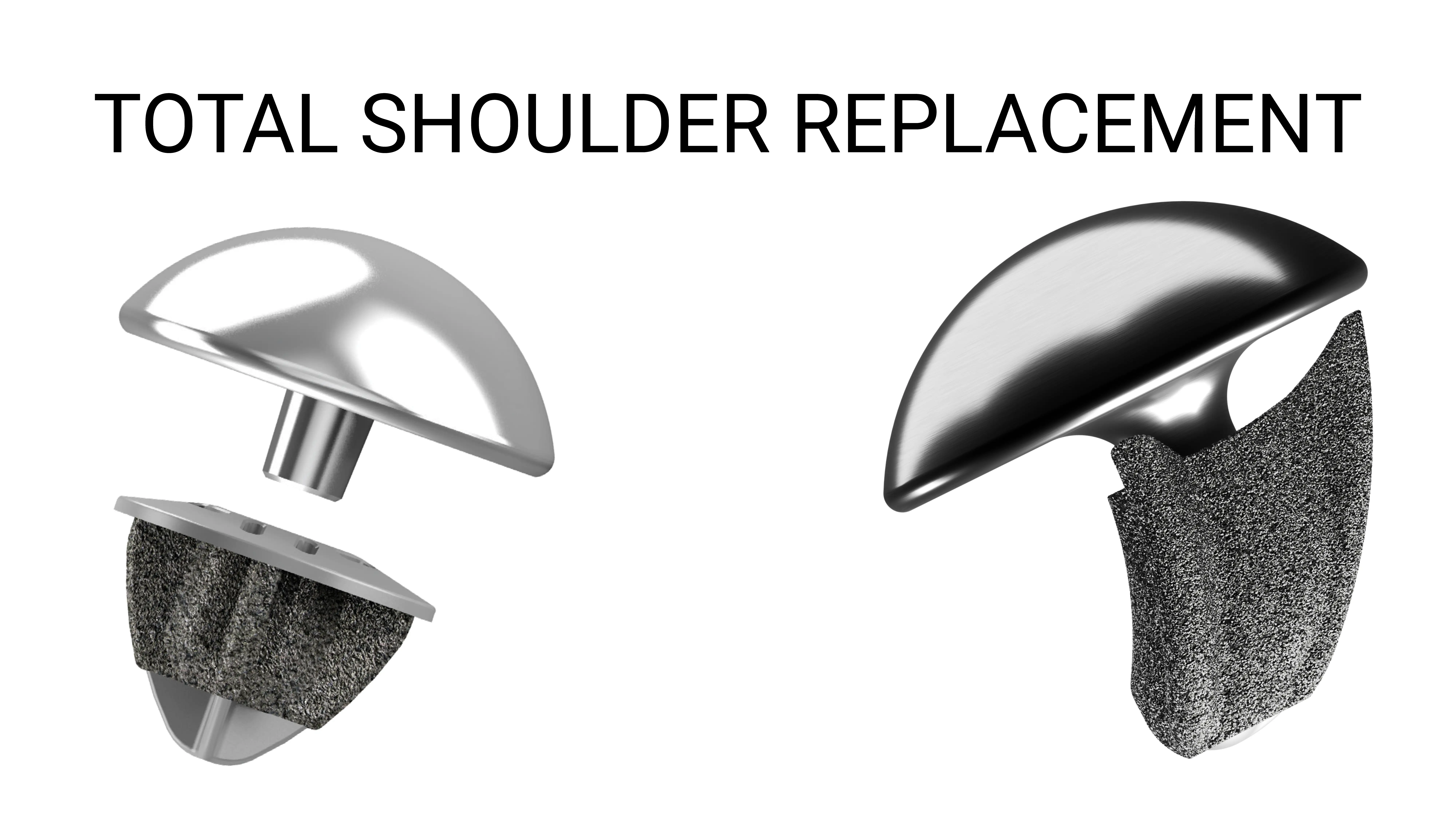
In a total shoulder replacement, both the humeral head and the glenoid surface are replaced to mimic the natural anatomy of the shoulder. The goal of this replacement is to alleviate pain, restore motion, and improve the overall function of the shoulder joint.
When is Total Shoulder Replacement Recommended?
Total shoulder replacement may be considered when non-surgical treatments have failed to provide adequate relief from pain and functional limitations. The decision to undergo shoulder replacement surgery is a collaborative one between the patient and their orthopedic surgeon, based on a thorough evaluation of the patient’s condition, medical history, and lifestyle.
Potential indications for total shoulder replacement include osteoarthritis, rheumatoid arthritis, post-traumatic arthritis, severe shoulder fractures, and avascular necrosis. These conditions often cause severe pain, loss of range of motion, and impaired function. These symptoms may interfere with daily activities, work, and sleep.
The Surgical Procedure
Total shoulder replacement surgery is a complex procedure performed by highly skilled orthopedic surgeons. The surgery typically takes less than an hour and is performed under general anesthesia combined with a regional nerve block to help manage post-operative pain. While the specifics can vary based on the individual patient, the general steps involved are as follows:
- Pre-operative Planning: Before the surgery, extensive planning is undertaken to ensure the best possible outcome. This often involves advanced imaging techniques and software, which allow the surgeon to meticulously plan the surgery virtually and determine the optimal implant type and size.
- Incision and Exposure: The surgeon makes an incision, typically on the front or top of the shoulder, to access the joint. The muscles and soft tissues are carefully moved aside to expose the joint.
- Site Preparation: The damaged shoulder components are removed and prepared to receive the new artificial components. In some cases of shoulder replacement, Dr. Costouros is one of the only surgeons in the United States who uses robotic assistance to enhance precision and execution of the surgical plan.
- Implant Placement: The prosthetic components are inserted and secured. The surgeon then checks the stability and range of motion of the newly reconstructed joint. Adjustments may be made to ensure optimal fit and function.
- Closure: The muscles and soft tissues are carefully repositioned, and the incision is closed. A sterile dressing is applied.
Total Shoulder Replacement Recovery Process
The recovery process following total shoulder replacement is an important phase that influences the long-term success of the surgery. It is a journey that requires patience, commitment, and close adherence to the surgeon’s and physical therapist’s instructions. While individual recovery times can vary, a typical rehabilitation protocol spans several months, with gradual progression through different stages.
Immediate Post-operative Period
Immediately after surgery, patients will likely experience some pain and discomfort, which may be managed with medication. The arm will typically be placed in a sling to protect the healing tissues and limit movement. The focus during this initial phase is on pain management, wound care, and preventing complications. To prevent stiffness, patients are usually encouraged to begin gentle, passive range-of-motion exercises, where the arm is moved by a therapist without engaging the operated shoulder muscles.
Rehabilitation
As pain subsides and healing progresses, the rehabilitation program will advance. Physical therapy sessions will focus on increasing passive range of motion and initiating gentle active-assisted range of motion exercises. This means the patient starts to use their own muscles to move the arm, but with assistance. The goal is to restore basic shoulder mobility without stressing the surgical repair.
Gradually, the focus shifts towards regaining active range of motion and beginning strengthening exercises. The physical therapist will introduce exercises to strengthen the rotator cuff and deltoid muscles, which are important for shoulder stability and function. Light resistance exercises may be incorporated, and patients will gradually work towards performing daily activities independently.
As healing progresses, patients may return to more demanding activities under the guidance of their physical therapist and surgeon. The goal is to achieve maximal recovery, allowing patients to return to their desired level of activity. Specific recovery timelines vary based on the complexity of the surgery and individual health factors.
Long-Term Considerations
Even after formal physical therapy concludes, patients may be recommended to continue with a home exercise program to maintain strength and flexibility. Regular follow-up appointments with the surgeon may also be important to monitor the long-term health of the shoulder replacement. Patients should be mindful of activities that place excessive stress on the shoulder and typically avoid high-impact sports or heavy lifting that could jeopardize the longevity of the implant.
Summary
The decision to undergo total shoulder replacement is a significant one, but for many, it represents a pathway to an active future. Understanding the indications, the surgical process, and the importance of dedicated rehabilitation is key to a successful outcome. With proper care and adherence to guidelines, many patients have enjoyed long-term pain relief and functional improvement as a result of total shoulder replacement surgery.
Dr. Costouros, with his expertise in comprehensive shoulder care, pioneering robotic shoulder surgery, and utilization of cutting-edge technologies like the Mako Robotic Shoulder System and InSet™ Shoulder Replacement System, provides patients with advanced and personalized treatment options. If you are experiencing persistent shoulder pain and functional limitations, schedule a consultation with Dr. Costouros to discuss whether total shoulder replacement may be the right option for you.
John Costouros, MD | Orthopedic Surgeon in Menlo Park, CA
Dr. Costouros, MD, is a globally recognized shoulder expert dedicated to the comprehensive treatment of all shoulder disorders. His practice focuses on advanced techniques, including pioneering robotic shoulder surgery and utilizing cutting-edge technology like the Mako Robotic Shoulder System and InSet™ Shoulder Replacement System.
John Costouros, MD | Orthopedic Surgeon in Menlo Park, CA
Dr. Costouros, MD, is a globally recognized shoulder expert dedicated to the comprehensive treatment of all shoulder disorders. His practice focuses on advanced techniques, including pioneering robotic shoulder surgery and utilizing cutting-edge technology like the Mako Robotic Shoulder System and InSet™ Shoulder Replacement System.